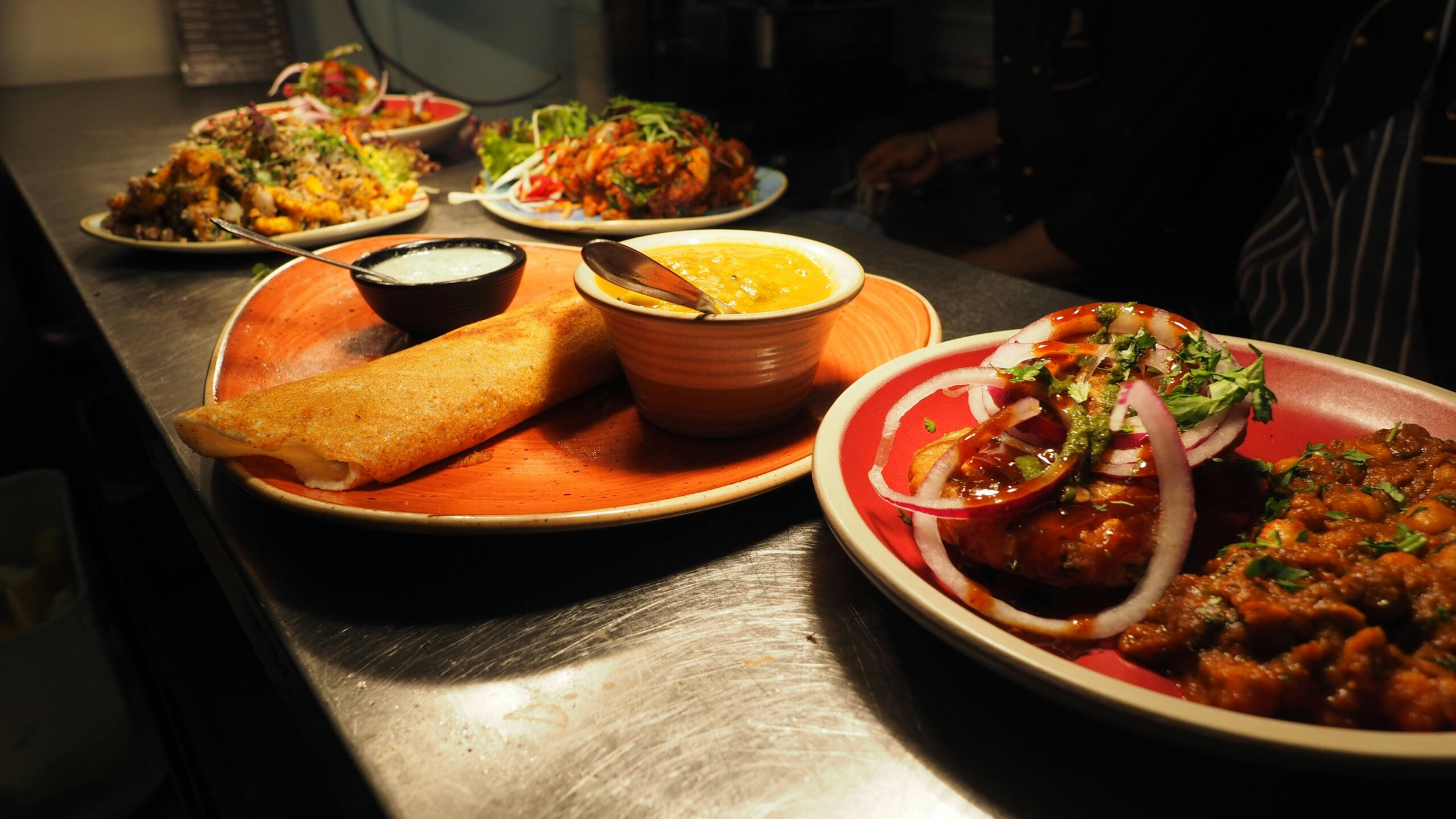
The cultural diversity and legacy of India are reflected in the famous foods of Indian states. Each state has its own distinctive cuisine made using regional products, spices, and cooking methods. In addition to sating hunger, these delicacies convey tales of culture, festivals, and history. India’s cuisine is as diverse as its people, ranging from the seafood delicacies of Kerala to the royal cuisines of Rajasthan.
Why Explore the Famous Food of Indian States
Although India is frequently referred to as the “country of spices,” its wealth extends beyond that. Every area provides:
- Different methods of cooking
- Local and seasonal ingredients
- A blend of acidic, spicy, and sweet flavors
- Generations of traditional recipes
- Discovering the well-known cuisine of Indian states is similar to taking a culinary tour of the nation.
State-Wise Famous Food of India
Rajasthan – Dal Baati Churma, Gatte ki Sabzi
Dal Baati Churma (Rajasthan’s Iconic Dish)
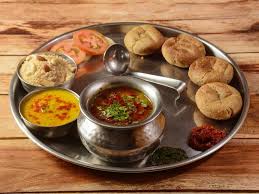
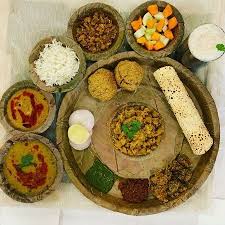
The most well-known meal from Rajasthan is Dal Baati Churma, which is frequently referred to as the essence of Rajasthani cooking.
Dal is a hot, high-protein lentil curry that is typically made using different kinds of lentils (such as toor, chana, moong, etc.) and seasoned with traditional Rajasthani spices, ghee, and garlic.
Baati are hard, round balls of baked wheat flour that are cooked over coals, in an oven, or in a tandoor. They have a soft interior and a sharp outside. They are often served after being dipped in ghee.
Crushed baatis are combined with ghee, sugar, and jaggery to make churma, a sweet dish that is occasionally topped with dried fruits.
Gatte ki Sabzi (Rajasthani Curry)
Another traditional Rajasthani food is gatte ki Sabzi, which is mostly made with gram flour (besan).
Gatte: Besan dough, curd, and spices are combined to make these little cylindrical dumplings, which are boiled before being sliced.
Curry → A gravy made with yogurt and spiced with chili, turmeric, coriander, and cumin. The curry becomes creamy and spicy when the gatte is added.
Because it does not call for fresh veggies, which are hard to come by in desert areas, this dish is incredibly popular in Rajasthan. Rather, it makes use of yogurt and gram flour, which are always accessible.
Punjab – Makki di Roti & Sarson da Saag, Butter Chicken
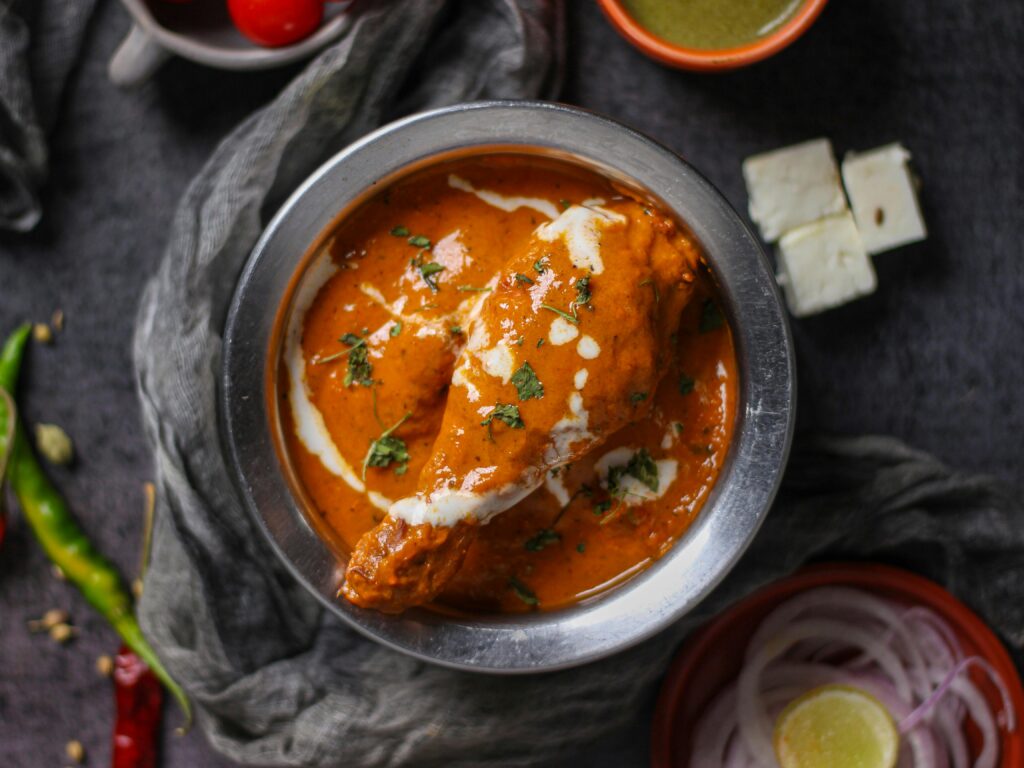
Butter Chicken (Murgh Makhani)
- It was created by Punjabi cooks in Delhi and has since become a worldwide symbol of Punjabi food.
- simmered in a rich tomato-based gravy after the chicken has been marinated in yogurt, lemon juice, and spices.
- Cashew paste, butter, and fresh cream give the dish its richness.
- Typically, butter chicken is eaten with jeera rice, tandoori roti, or naan.
- It is one of the most popular Indian meals in the world because of its silky sauce and mild spice.
Makki di Roti & Sarson da Saag
Makki di Roti:
Makki atta is a classic flatbread from Punjab prepared with corn flour. It tastes rustic and is typically prepared with ghee on a tawa (griddle). It is best consumed hot and has a slightly thick texture.
Sarson da Saag:
Sarson, a winter specialty, is sometimes combined with bathua and spinach leaves to provide balance. Garlic, ginger, green chilies, and other spices are simmered with the leaves on low heat until they become creamy. topped with an abundance of ghee or handmade white butter. Combination: Sarson da saag and makki di roti are regarded as Punjab’s soul dish. It is frequently served with buttermilk, onions, and jaggery and symbolizes the warmth of Punjabi hospitality. Particularly during the winter harvest festival Lohri, this meal has a strong connection to Punjabi farming customs.
Gujarat – Dhokla, Undhiyu
Dhokla
- A light, fluffy, and spongy steamed snack made from fermented rice and chickpea flour batter.
- Soft in texture with a mildly tangy-sweet taste.
- Tempered with mustard seeds, curry leaves, and green chilies, then garnished with fresh coriander and grated coconut.
- Enjoyed as breakfast, snack, or even a festive dish, usually served with green chutney.
Undhiyu
- Gujarat’s traditional winter treat, particularly well-liked during the Uttarayan (kite festival) holiday.
- prepared with a variety of in-season ingredients, including eggplant, fenugreek dumplings (methi muthia), green beans, peas, purple yam, and yam.
- Slowly cooked in earthen pots with spices, occasionally underground (the word “Undhu” means upside down).
- It is nutritious, savory, and rich, capturing the spirit of Gujarati cuisine.
Maharashtra – Misal Pav, Puran Poli
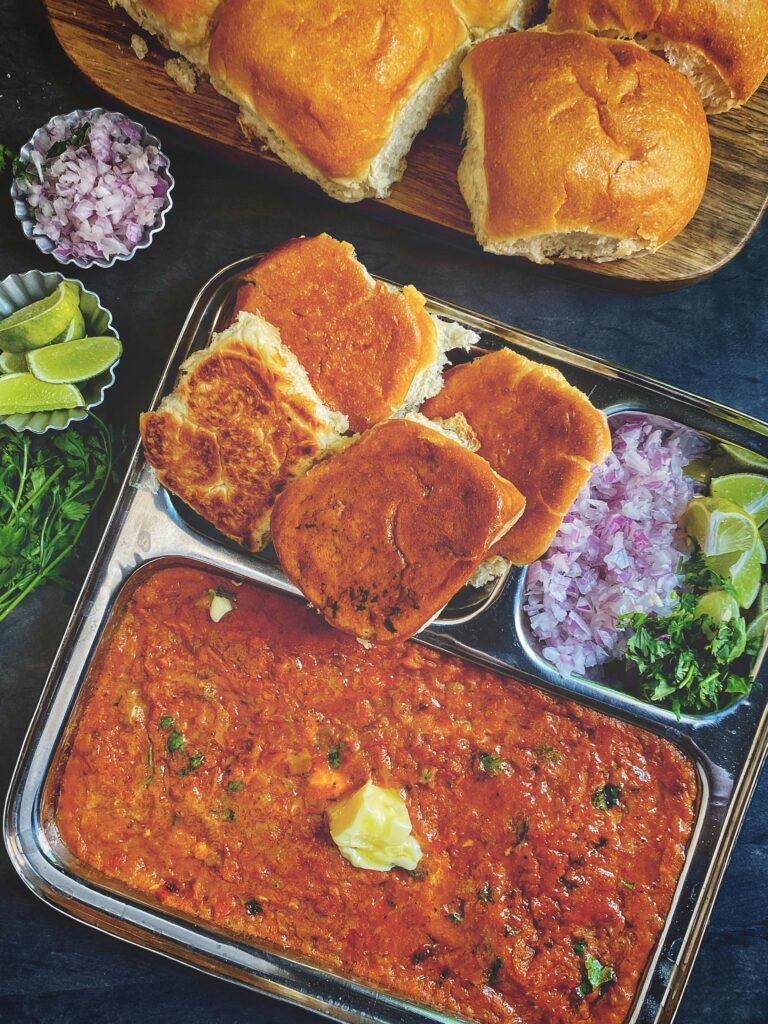
Misal Pav
- a well-liked spicy Maharashtra street dish.
- made with misal curry made from sprouted moth beans, garnished with lemon juice, chopped onions, coriander, and farsan (crispy combination).
- served with bread rolls, or soft pav.
- Known for its spicy flavor, it is frequently eaten for breakfast or as a snack.
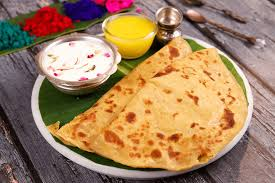
Puran Poli
- a customary delicious flatbread made for holidays like Diwali, Holi, and Gudi Padwa.
- filled with a blend of cardamom, nutmeg, jaggery, and chana dal (split Bengal gram).
- Ghee is used to cook the outer layer, which is produced with maida or wheat flour.
- Soft, fragrant, and sweet, they represent joyous celebrations in Maharashtra homes.
- To put it briefly, Misal Pav showcasa customary delicious flatbread made for holidays like Diwali, Holi, and Gudi Padwa.
- filled with a blend of cardamom, nutmeg, jaggery, and chana dal (split Bengal gram).
- Ghee is used to cook the outer layer, which is produced with maida or wheat flour.
- Soft, fragrant, and sweet, they represent joyous celebrations in Maharashtra homes.To put it briefly, Misal Pav showcas
West Bengal – Machher Jhol, Rasgulla
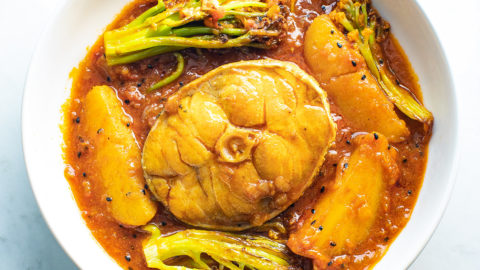
Jhol Machher
- A traditional fish curry that is regarded as the foundation of Bengali cooking.
- made with fresh river fish (such as Hilsa or Rohu) cooked in a mild curry made with green chilies, tomatoes, turmeric, and mustard seeds.
- A healthy and cozy everyday dinner, it is typically served with steamed rice.
- symbolizes Bengal’s strong cultural ties to rivers and fish.
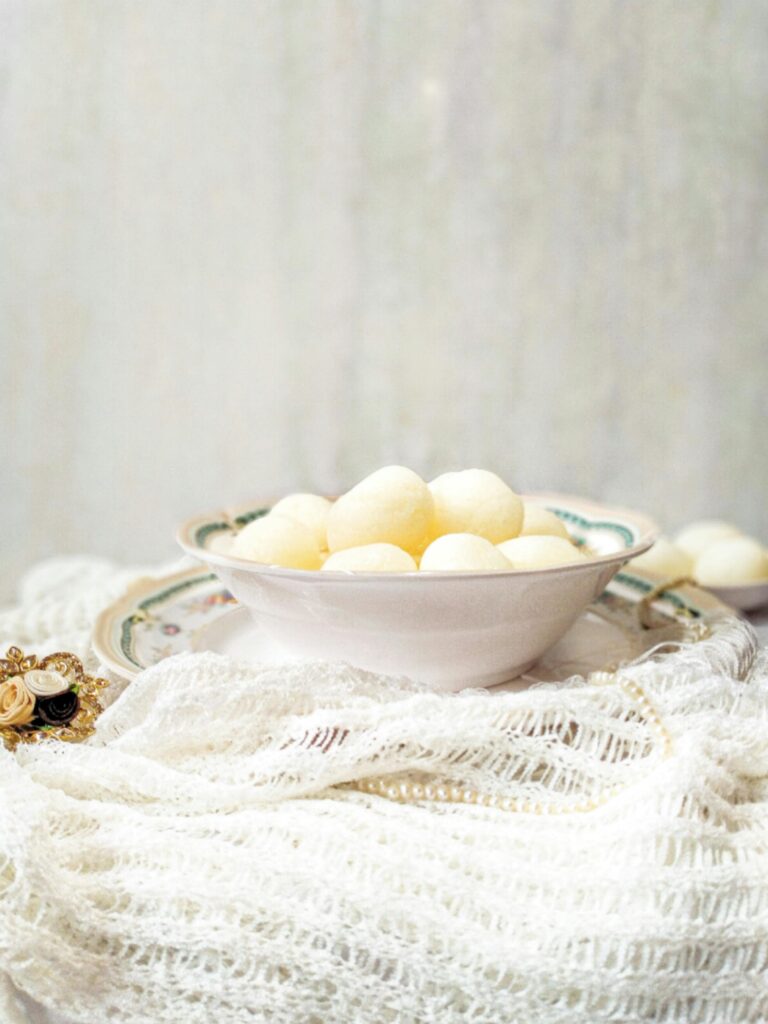
(Roshogolla) Rasgulla
- Made with balls of chhena (fresh cottage cheese) baked in light sugar syrup, this is a popular Bengali dessert.
- It is juicy, spongy, and soft, and it melts in your tongue.
- Rasgulla, which is traditionally made during festivals and festivities, is more than just a dessert; it is a representation of Bengal’s rich dessert history.
Odisha – Pakhala Bhata, Chenna Poda
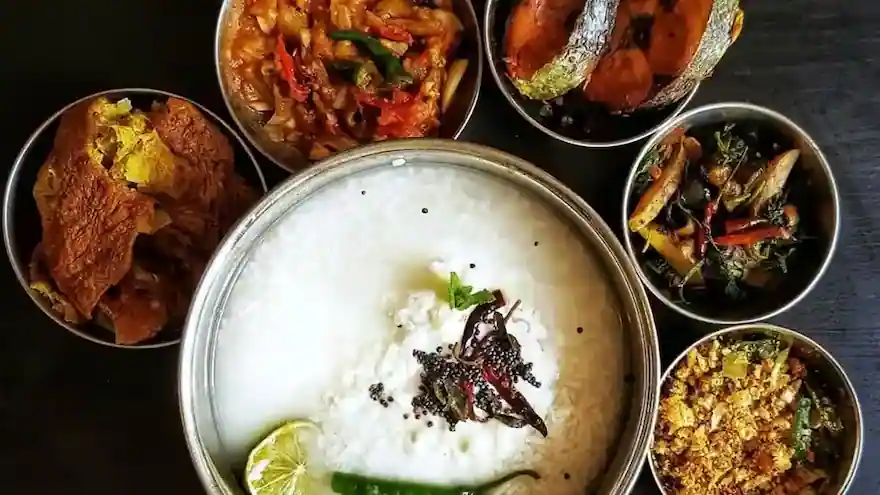
Bhata Pakhala
- This traditional fermented rice meal is regarded as Odisha’s soul cuisine.
- After being soaked in water and occasionally curd for the entire night, cooked rice is seasoned with salt, curry leaves, and green chilies.
- typically accompanied by pickles, badi (dry lentil dumplings), and mashed or fried veggies.
- Because it helps with digestion and cools the body, it is particularly well-liked in the summer.
- even commemorated annually on “Pakhala Dibasa” (Pakhala Day).
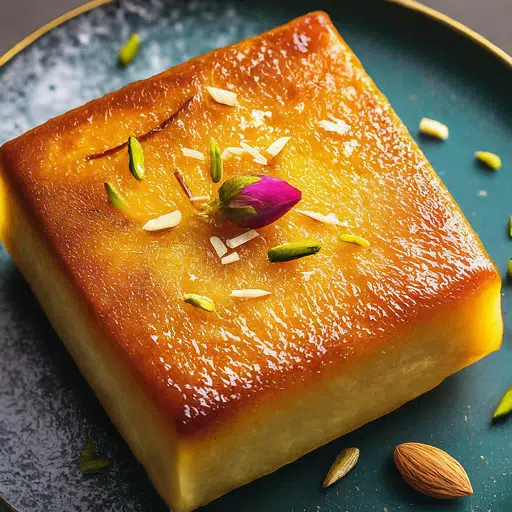
Chenna Poda
- referred to as the “Odisha cheese dessert.”
- made by baking dry fruits, sugar, cardamom, and chhena (cottage cheese) until golden brown.
- It has a unique taste from the caramelized crust.
- One of the state’s distinctive candies, it is thought to have been created by accident.
Kerala – Kerala Sadya, Appam with Stew
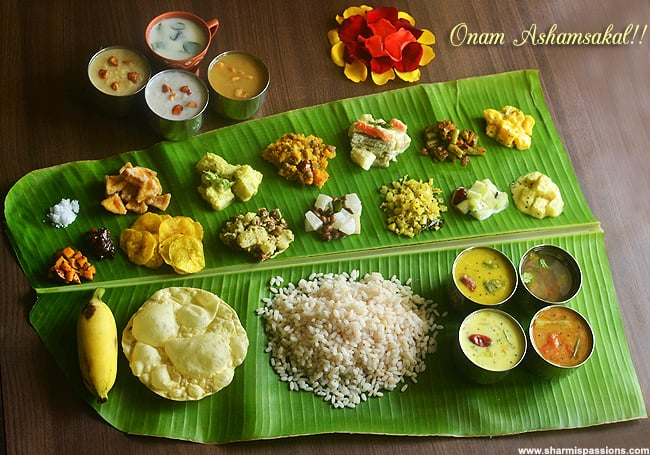
Sadya Kerala
- During festivals like Onam and Vishu, a lavish vegetarian feast is customarily served on a banana leaf.
- comprises a broad range of foods, including payasam, pachadi, avial, thoran, olan, and sambar.
- It is well-known for having a harmonious blend of sour, sweet, acidic, and spicy characteristics and is served with hot rice.
- Sadya is more than just food; it is a symbol of Kerala’s communal and festive culture.
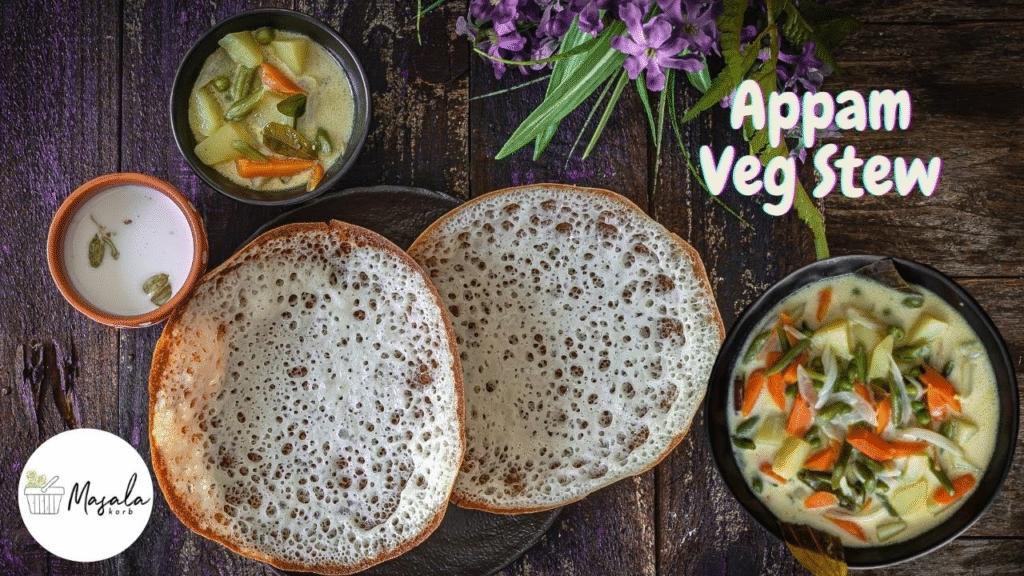
🥥 Stew with Appam
- Made from rice batter and coconut milk, appam is a delicate, lacy fermented pancake.
- served with chicken or vegetable stew prepared in a coconut milk sauce with a hint of spice.
- Keralans love this combo for breakfast since it is light, fluffy, and fragrant.
- draws attention to the state’s enjoyment of basic yet tasty cooking and meals made using coconut.