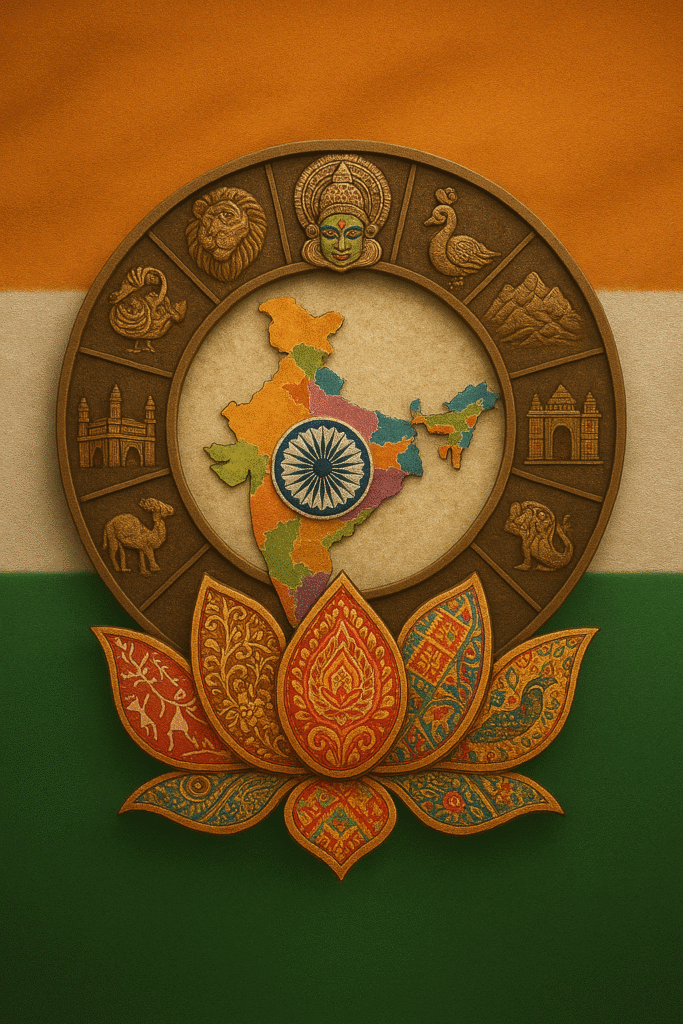
Land of Kings
Rajasthan — Culture & Heritage
Rajasthan, often celebrated as the “Land of Kings,” is India’s largest state and one of its most captivating cultural landscapes. It represents a grand fusion of Rajput history, vibrant traditions, and desert beauty, making it a destination that feels both timeless and alive. For centuries, Rajasthan was the stronghold of the brave Rajput warriors whose legacy lives on through majestic forts, ornate palaces, and stories of valor and honor. Cities like Jaipur, Jodhpur, Jaisalmer, and Udaipur showcase this heritage in their architecture—the pink facades of Jaipur’s Hawa Mahal, the golden sandstone fort of Jaisalmer rising out of the desert, the blue-painted houses of Jodhpur, and the shimmering lakes of Udaipur.
Yet Rajasthan is not just about monuments. Its living culture thrives in colorful festivals, bustling bazaars, and warm hospitality. The people wear vibrant attire that contrasts beautifully with the golden sands of the Thar Desert. Folk dances like Ghoomar and Kalbeliya, along with soulful music played on traditional instruments, carry the essence of Rajasthan’s spirit. Handicrafts such as bandhani textiles, meenakari jewelry, and intricate leatherwork keep centuries-old artistry alive.
The desert itself is a character in this story—camel caravans move across the dunes, and starry nights bring alive folk performances around crackling fires. Mount Abu, the state’s only hill station, adds a refreshing counterpoint to the arid landscape.
Rajasthan is more than a destination—it is an immersion into a world where royal grandeur, cultural richness, and desert beauty come together in harmony.
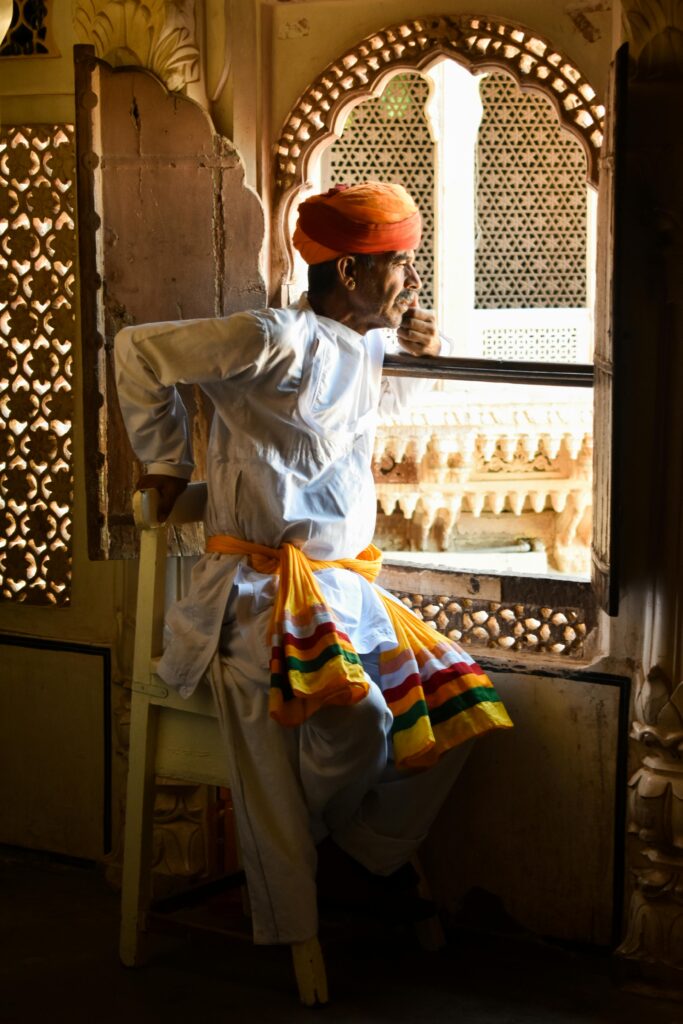
Traditional Dress of Rajasthan
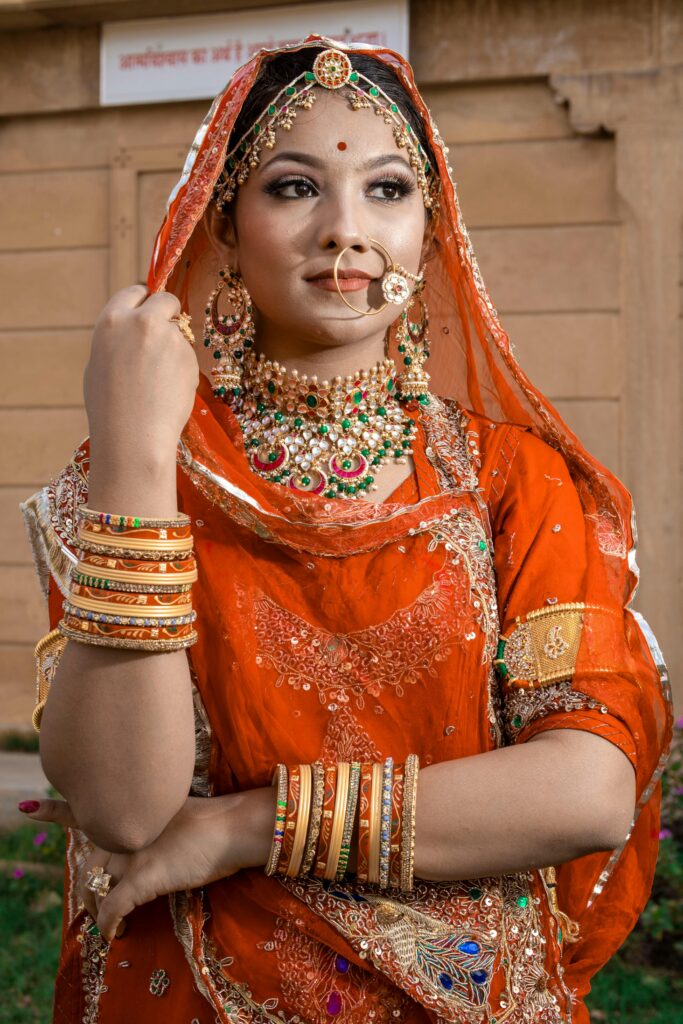
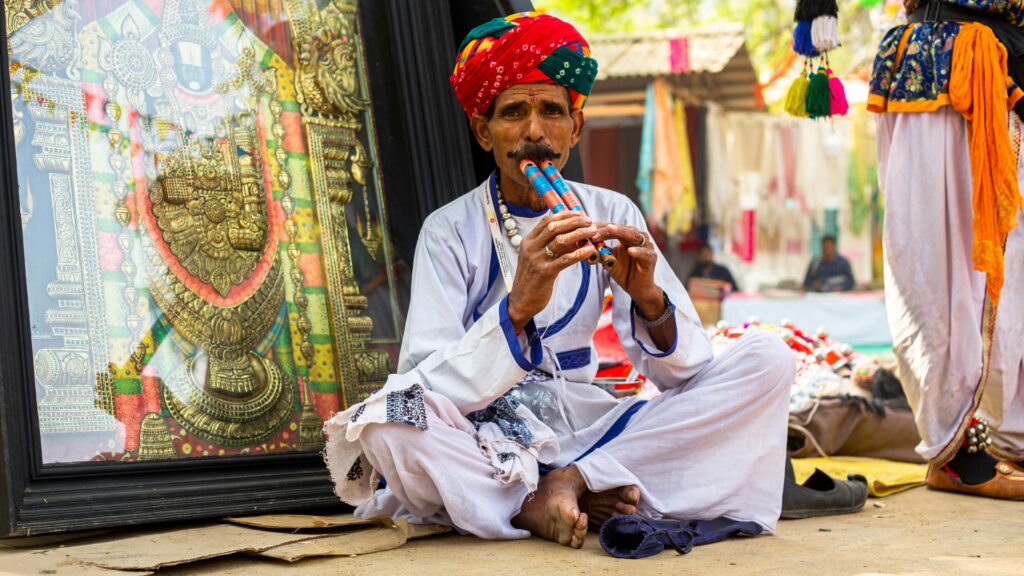
The traditional dress of Rajasthan is one of the most colorful and expressive in the world, reflecting the region’s history, desert lifestyle, and royal elegance. Unlike ordinary clothing, Rajasthani attire is deeply symbolic—colors, fabrics, patterns, and jewelry all carry cultural meanings that connect people to their community and heritage.
Men’s Attire
For men, the most recognizable piece of clothing is the turban, known as pagri or safa. Turbans are not just fashion—they symbolize honor, respect, and identity. The size, shape, and color of the turban often reveal a man’s caste, region, or even mood. For instance, bright reds, saffrons, and yellows are worn during festivals and weddings, while white turbans are reserved for mourning or peace. Some turbans can even stretch several meters of cloth, folded in unique styles depending on the district.
Men also wear the angrakha, a long robe-like tunic tied at the side, which is both comfortable in the desert heat and stylish. The angrakha is often paired with dhotis or pyjamas, which allow easy movement. During royal times, men of higher status wore silk angrakhas decorated with zari (gold thread) or gota-patti work, while everyday wear was usually cotton. Many men also complete their look with a bandhni or printed stole, leather jootis (shoes), and heavy moustaches that are considered a mark of pride.
Women’s Attire
Women in Rajasthan wear the ghagra, a long pleated skirt that sways beautifully as they walk or dance. The ghagras are often dyed using bandhej (tie-dye) techniques, mirror work, or block prints. Each region has its own specialty—Jaipur is famous for leheriya (wave-pattern tie-dye), Jodhpur for intricate block prints, and Barmer for bold geometric embroidery.
The choli, or blouse, is usually short and fitted, designed to keep cool in the desert heat. Over this, women drape the odhani or dupatta, often in a contrasting shade. The way the odhani is worn also carries meaning: covering the head signifies respect, while festive occasions invite brighter, heavily embroidered versions.
Jewelry is another essential part of women’s attire. From the borla (round forehead ornament) and bajuband (armlet) to heavy silver anklets and colorful bangles, ornaments are not just decorative but also believed to protect against evil spirits. In rural areas, silver is more common than gold, as it is both affordable and auspicious.
Cultural Significance
Beyond beauty, these dresses are adapted to desert life. Cotton fabrics keep the body cool, while layered garments protect against harsh sun and cold nights. The bright colors contrast the sandy landscape, making daily life in the desert more cheerful. Even today, at weddings, fairs, and festivals like Teej or Gangaur, traditional dress is worn proudly, keeping alive a centuries-old tradition of elegance and identity.
The attire of Rajasthan is more than clothing—it is a living expression of heritage, pride, and royal charm, making every man and woman appear as though they carry a part of Rajasthan’s royal legacy with them.
Food Specialties of Rajasthan
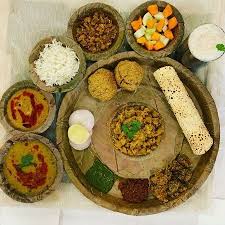
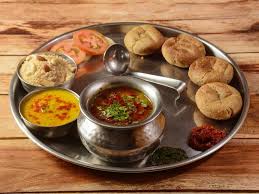
Rajasthan’s cuisine is as vibrant and royal as its culture. Shaped by the desert climate, scarcity of water, and the warrior lifestyle of Rajputs, the food here is rich, spicy, and uniquely adapted to last for days without spoiling. From royal feasts served in palaces to hearty meals in desert homes, Rajasthani food reflects both opulence and simplicity.
Staple Dishes
The most famous dish of the state is Dal Baati Churma. Baatis are round, baked wheat rolls served with spicy lentils (dal) and crushed, sweetened wheat (churma). This combination is not only filling but also energy-rich, perfect for desert conditions. Similarly, Gatte ki Sabzi (gram flour dumplings in spicy yogurt curry) is a favorite that requires no fresh vegetables, making it ideal for arid regions.
Another highlight is Ker Sangri, a dry preparation of desert berries and beans, flavored with spices and dried mango powder. It is unique to Rajasthan, showing how locals transformed desert plants into delicacies. Bajre ki Roti (millet flatbread) and Lasun ki Chutney (garlic paste) are common accompaniments that add both nutrition and fiery flavor.
Royal & Festive Foods
The Rajput warrior legacy brought meat dishes into the cuisine. Laal Maas, a fiery red mutton curry made with Mathania chilies, is perhaps the most iconic. For those preferring milder flavors, Safed Maas (white meat curry cooked with yogurt, cream, and cashews) offers a rich and royal taste. These dishes were once cooked in hunting camps and later refined in palace kitchens.
During festivals and weddings, sweets take center stage. Ghevar, a disc-shaped sweet soaked in syrup and topped with nuts, is a specialty during Teej and Raksha Bandhan. Malpua (sweet pancakes), Mawa Kachori, and Churma Laddoo are also popular, each reflecting Rajasthan’s love for indulgence
Snacks & Everyday Delights
Lorem ipsum dolor sit amet,Street food lovers will enjoy Pyaaz Kachori from Jodhpur and Mirchi Vada from Jaipur—both spicy, crispy snacks enjoyed with chutneys. Bikaneri Bhujia, a crunchy fried snack, has even gained international fame and carries a GI tag. consectetur adipiscing elit. Ut elit tellus, luctus nec ullamcorper mattis, pulvinar dapibus leo.
Cultural Significance
Rajasthani food is not only about taste but also about hospitality. Guests are treated with immense respect, and serving them generously is a matter of pride. The tradition of manuhar (insisting that guests eat more) still continues in every household.
Thus, the food of Rajasthan is a living blend of desert wisdom, royal kitchens, and festive traditions, making it one of India’s most iconic cuisines.
Festivals & Fairs of Rajasthan
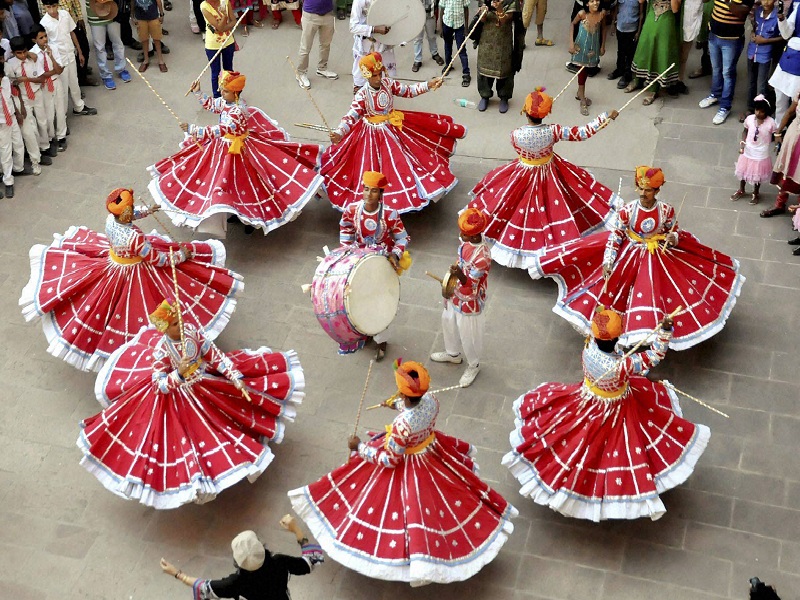
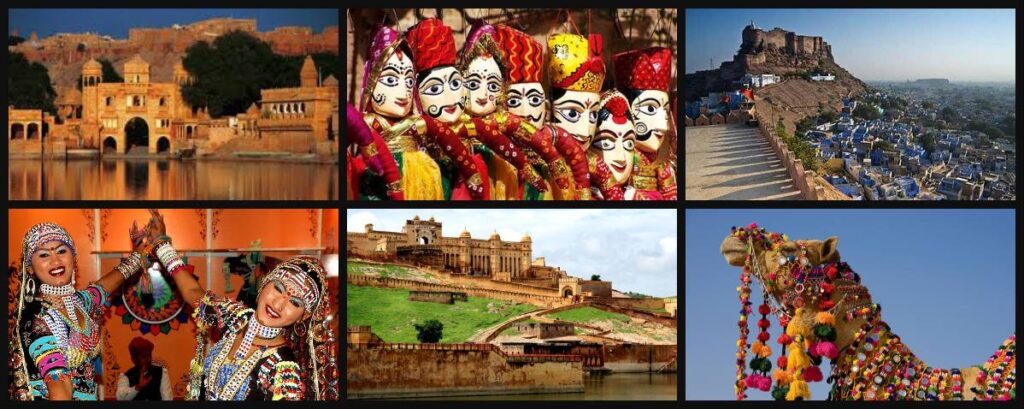
Rajasthan, often known as the Land of Kings, is known for its festivals that animate its golden sands in addition to its forts, palaces, and desert scenery. With folk music, dances, colors, and customs that have been upheld for centuries, the state celebrates every season. Rajasthan’s festivals and fairs are a real representation of its historic heritage, from religious gatherings on holy lakes to desert festivals held under the stars.
This book examines Rajasthan’s main celebrations and well-known fairs, their importance, and the reasons that every tourist should attend.
The Cultural Significance of Festivals in Rajasthan
- Festivals are more than just occasions; they are living customs that highlight Rajasthan’s ideals, beliefs, and artistic expression.
- Each event blends folk music, dance, spirituality, royalty, and food.
- Because farmers, traders, royals, and villages all participate together, fairs and festivals foster a sense of community.
- They increase India’s cultural tourism and draw tourists from abroad.
- The lunar calendar is used for the majority of festivals, which combine religion with the cycles of nature.
Major Festivals of Rajasthan
Desert Festival – Jaisalmer
When: February (3-day festival)
Where: Sam Sand Dunes, near Jaisalmer
Highlights:
Camel races, camel polo, and turban-tying competitions.
Kalbelia & Gair folk dances.
Mr. Desert and Ms. Moomal beauty contests.
Evening cultural performances under the desert night sky.
Why visit? It is the most authentic desert carnival where you witness Rajasthan’s desert lifestyle in its purest form.
2. Pushkar Camel Fair – Pushkar
When: November (around Kartik Purnima)
Where: Pushkar, Ajmer district
Highlights:
World’s largest camel & livestock trading fair.
Camel beauty contests and races.
Devotees take a holy dip in Pushkar Lake.
Colorful bazaars selling handicrafts, textiles, and jewelry.
Hot air balloon rides for tourists.
Why visit? A once-in-a-lifetime experience mixing spirituality, trade, and fun.
3. Gangaur Festival – Jaipur, Udaipur, Jodhpur
When: March–April
Significance: Dedicated to Goddess Parvati (Gauri), symbol of love and marital bliss.
Highlights:
Women dress in colorful attire, apply mehendi, and carry idols of Gauri in processions.
Traditional folk songs and dances.
Fireworks and royal ceremonies in Jaipur.
Why visit? It’s one of Rajasthan’s most beautiful festivals that highlights women’s devotion and traditional artistry.
4. Teej Festival – Jaipur & Other Cities
When: July–August (Monsoon season)
Significance: Celebrates the arrival of monsoon and the reunion of Lord Shiva and Parvati.
Highlights:
Women swing on decorated swings tied to trees.
Folk songs, green sarees, and mehendi designs.
Jaipur hosts a grand royal procession with palanquins and elephants.
Why visit? A monsoon celebration where the city turns green and lively.
5. Mewar Festival – Udaipur
When: March–April (Spring season)
Highlights:
Cultural performances by local artists.
Processions of Lord Shiva and Goddess Parvati.
Evening boat procession on Lake Pichola with decorated boats.
Why visit? Udaipur’s lakes and palaces provide the perfect backdrop for this romantic spring festival.
6.International Kite Festival – Jaipur & Jodhpur
When: January 14 (Makar Sankranti)
Highlights:
Thousands of colorful kites fill the sky.
International kite flying competitions.
Local sweets like til ke laddoo and gajak are savored.
Why visit? A celebration of joy and unity as people of all ages fly kites from rooftops
Famous Fairs of Rajasthan
Apart from festivals, Rajasthan hosts grand fairs where trade, rituals, and entertainment come together.
1. Nagaur Cattle Fair – Nagaur
Known for the second-largest cattle fair in India.
Farmers trade bullocks, camels, and horses.
Activities include camel races, tug-of-war, and folk dances.
2. Baneshwar Fair – Dungarpur
A tribal fair of the Bhil community.
Devotees worship Lord Shiva at Baneshwar Temple.
Folk music, tribal dance, and traditional rituals.
3. Kolayat Fair – Bikaner
Devotees bathe in the sacred Kolayat Lake.
Lamps are floated on the water, creating a magical sight.
Folk artists perform traditional songs.
4. Chandrabhaga Fair – Kota
Held on the banks of the Chandrabhaga River.
A religious fair where people perform holy rituals and cattle are traded.
Dance & Music of Rajasthan – The Soul of the Desert
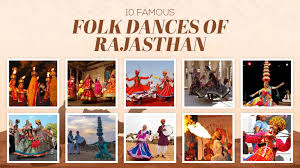
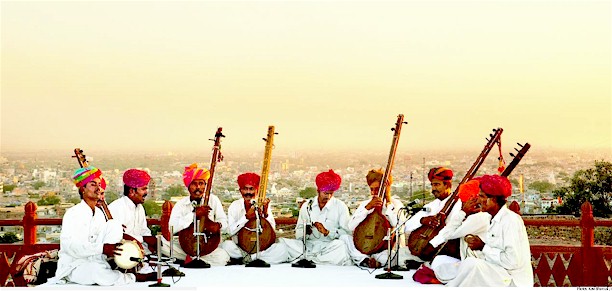
If Rajasthan is the land of colors, then its dance and music are the heartbeat that bring those colors alive. Walk into any village square on a moonlit night, or a palace courtyard during a festival, and you will find the air filled with the sound of sarangi strings, dholak beats, and soulful voices. The people of Rajasthan have a way of turning every joy, sorrow, victory, or prayer into music.
Dances of Rajastehan Ghoomar – The Dance of Grace
Picture scores of women wearing flowing ghagras (skirts) in various hues of orange, green, and red. The colors blend into a living rainbow as they spin in circles. The most well-known dance in Rajasthan, Ghoomar, is performed at festivals and weddings. Its steady, elegant spins stand for affection, joy, and womanhood.